When Colin Farrell announced a foundation in August 2024, he framed it not around a disease but around a cliff edge. His son James, who was turning 21, has Angelman syndrome, a rare genetic condition that affects the nervous system. The Colin Farrell Foundation was created to address what the actor has described as the problem that arrives with adulthood: the childhood support systems that families rely on begin to fall away.
The foundation's stated mission is to transform the lives of people and families living with intellectual disability through education, awareness, advocacy and what it calls innovative programs. In interviews announcing the launch, Farrell was specific about the ages that worry him, the years after a young person legally becomes an adult, when eligibility for many programs narrows and parents are left to improvise.
Several concrete concerns recur in the launch coverage. There is the long waitlist many adults face for intellectual-disability support waivers. There is a shortage of purpose-built housing, with the foundation talking about creating both small group homes and larger-scale communities that pair housing with day programs. And there is the chronic shortage, and low pay, of the direct support professionals who do the daily work of care.
The leadership choices signal that this is meant to be more than a famous name on letterhead. Farrell serves as the foundation's president, and his sister Claudine as vice president, but the chief executive is Paula Evans, founder of the Foundation for Angelman Syndrome Therapeutics, an established figure in the rare-disease world. Pairing a celebrity's reach with experienced nonprofit operators is one of the better predictors that an organization will outlast its launch press.
What gives the effort weight is that Farrell is describing a problem he lives with, not one he read about. His decision to speak publicly about James, a choice he has said he weighed carefully out of respect for his son's privacy, is itself a form of advocacy, because intellectual disability in adulthood is precisely the kind of issue that drops out of public view once the children it affects grow up.
The foundation is young, and the honest caveat is that its programs, housing, advocacy campaigns and workforce initiatives, are commitments and plans at this stage rather than a long record to evaluate. That is normal for a first year; it is also a reason to watch what it builds rather than what it promises.
For the current state of its programs, and for anyone navigating the same transition to adult services, the Colin Farrell Foundation is the authoritative source. Details of its initiatives and how to support them should be confirmed through the foundation directly rather than inferred from launch-day coverage.
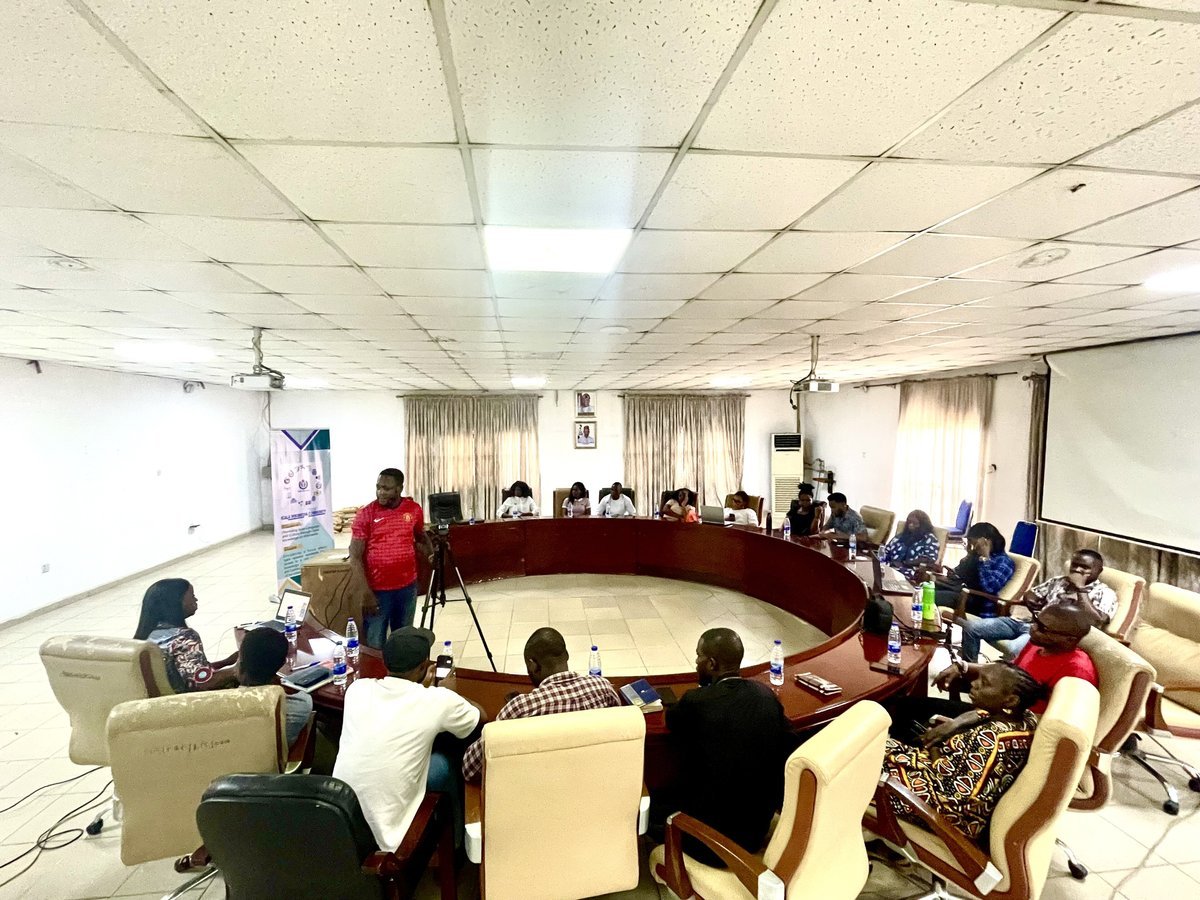
Source date: August 7, 2024. Contextual photograph; it does not depict the people or the specific event described in this article. Photo: Look4Faith, CC BY-SA 4.0 ↗.
Sources & further reading
This article is editorial coverage, not an endorsement. For donations or programme participation, go directly to the organization’s official website.