When wildfires tore through parts of Los Angeles in early 2025, the entertainment community responded with one of the fastest-mobilized benefit concerts in recent memory. FireAid, staged on January 30, 2025, spanned two neighboring venues in Inglewood, the Intuit Dome and the Kia Forum, filling both with performers who volunteered their time for the relief effort.
Organizers estimated that the event's fundraising would exceed $100 million, a figure that encompassed ticket sales, sponsorships, merchandise, and donations made during the broadcast. The concert reached an enormous audience beyond the arenas themselves, with coverage reporting that it was carried across dozens of streaming platforms and watched by tens of millions of viewers.
The scale of participation reflected the gravity of the disaster. Reports described private gifts from prominent musicians and industry figures, and noted that a pledge-matching arrangement doubled contributions made during the show. Matching campaigns of this kind are a familiar lever at live benefits, giving donors the sense that their money will go twice as far in a moment of acute need.
FireAid's structure reflected a well-worn tradition of disaster-relief concerts, in which the music industry converts its gathering power into immediate humanitarian funding. By splitting the lineup across two adjacent venues, organizers maximized both ticketing capacity and the roster of artists who could take the stage on a single night.
The funds were set to be administered through a philanthropic foundation tasked with grant-making, with early support aimed at both recovery for those displaced and longer-term prevention. That split between relief and resilience signaled an intent to address not only the immediate aftermath but also the conditions that make such fires so destructive.
Because the concert came together so quickly, the figures announced in its immediate aftermath were explicitly described as estimates, with fundraising still open in the weeks that followed. One later report combined the concert's total with proceeds from another high-profile event to cite a larger joint figure, a reminder that headline numbers can blur when multiple efforts are reported together.
For the artists involved, FireAid was a chance to respond to a catastrophe that had struck their own city, lending star power to a cause with immediate local stakes. Many of those on the bill had personal ties to the affected neighborhoods, and some spoke from the stage about friends and colleagues who had lost homes. The speed and scale of the response underscored how quickly the music world can organize when a disaster hits close to home.
Given that the totals were early estimates and that fundraising continued after the broadcast, readers should treat the $100 million-plus figure as a preliminary, reported number rather than a final audited result. Anyone seeking confirmed totals or information on how grants are being distributed should verify directly through FireAid's official channels.
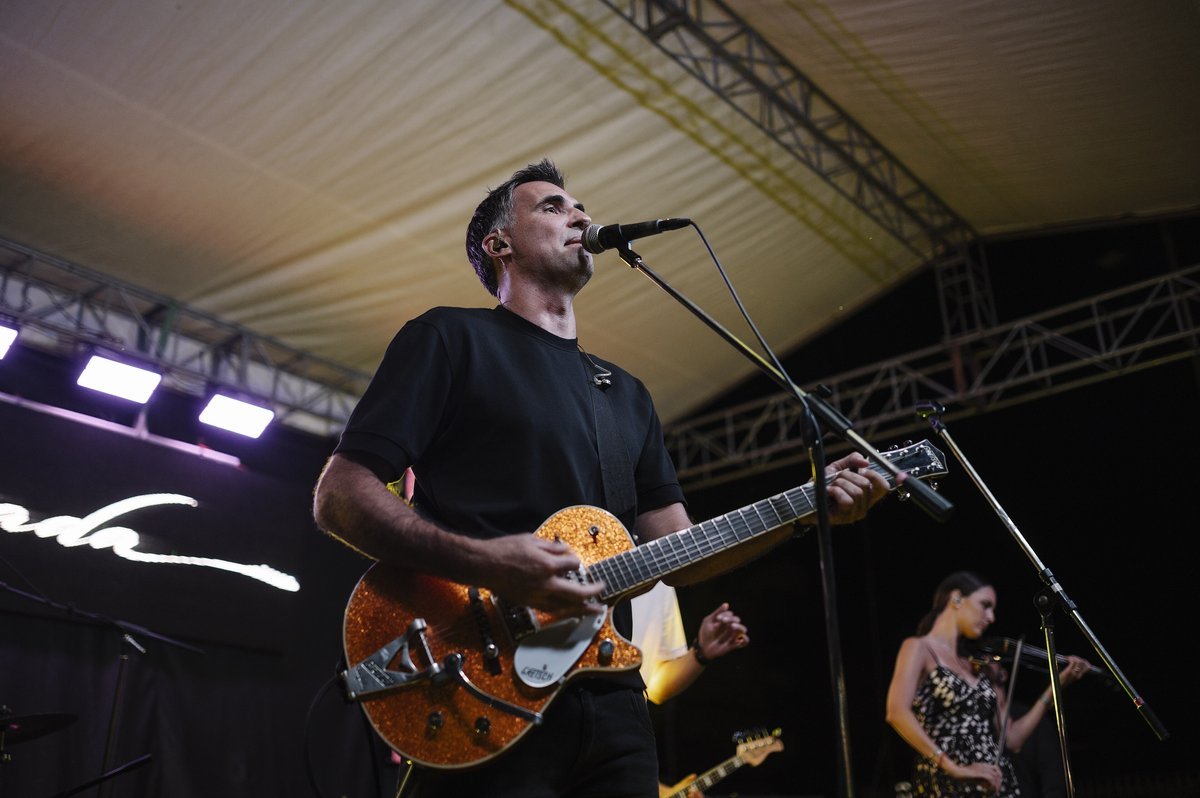
Source date: January 30, 2025. Contextual photograph; it does not depict the people or the specific event described in this article. Photo: Shixart1985, CC BY 2.0 ↗.
Sources & further reading
This article is editorial coverage, not an endorsement. For donations or programme participation, go directly to the organization’s official website.