When disaster strikes abroad, or when a celebrity rallies support for a cause on the other side of the world, the impulse to help is immediate. But giving across borders adds layers of complexity — logistical, regulatory and tax-related — that a domestic donation does not carry, and a few principles from the main charity watchdogs can make the difference between help that lands and help that hinders.
The first and most counter-intuitive rule is to give money, not goods. Charity evaluators and relief specialists are consistent on this: shipping collected clothing, food or supplies overseas is slow and expensive, can clog ports and warehouses, and may crowd out local markets. Cash lets experienced organisations buy what is actually needed, close to where it is needed, without transport costs, shipping delays or customs fees.
Second, favour organisations with an established local presence. The BBB Wise Giving Alliance points out that a charity already operating in the affected country is far better positioned to deliver aid quickly, while well-meaning newcomers may struggle to follow through. A highly experienced relief organisation will also know when to step back and let local responders lead.
Third, let the money follow the need. Rather than restricting a gift so tightly that it cannot be used where it matters most, consider giving to organisations you trust to direct funds to the most pressing problems, since in many emergencies the real bottleneck is logistics rather than a shortage of any single item.
Verification still applies, with an international twist. Check the charity through watchdogs such as the BBB Wise Giving Alliance, Charity Navigator or Candid, and be especially alert to look-alike names that mimic famous international organisations. The BBB advises going straight to a charity’s own website rather than following links in unsolicited messages or trusting social-media appeals at face value.
Expect some cost and some delay, and do not read either as a red flag. Even a straightforward online gift carries a payment-processing fee, and aid delivered through a crisis zone takes time to convert into results. A reputable organisation will be transparent about both.
Mind the tax rules, because they surprise people. For a contribution to be tax-deductible in the United States, it generally must go to a US-qualified organisation; a direct gift to a foreign charity usually is not deductible, as IRS Publication 526 explains. Many international causes are supported through US-based ‘friends of’ or intermediary charities precisely so that donors can give deductibly — but confirm the recipient’s status before assuming a receipt will count.
Finally, follow up. A few months after giving, it is reasonable to ask the organisation how the money was used. For current guidance consult the BBB Wise Giving Alliance and, for the deductibility of any foreign-facing gift, read IRS Publication 526 or speak with a tax professional.
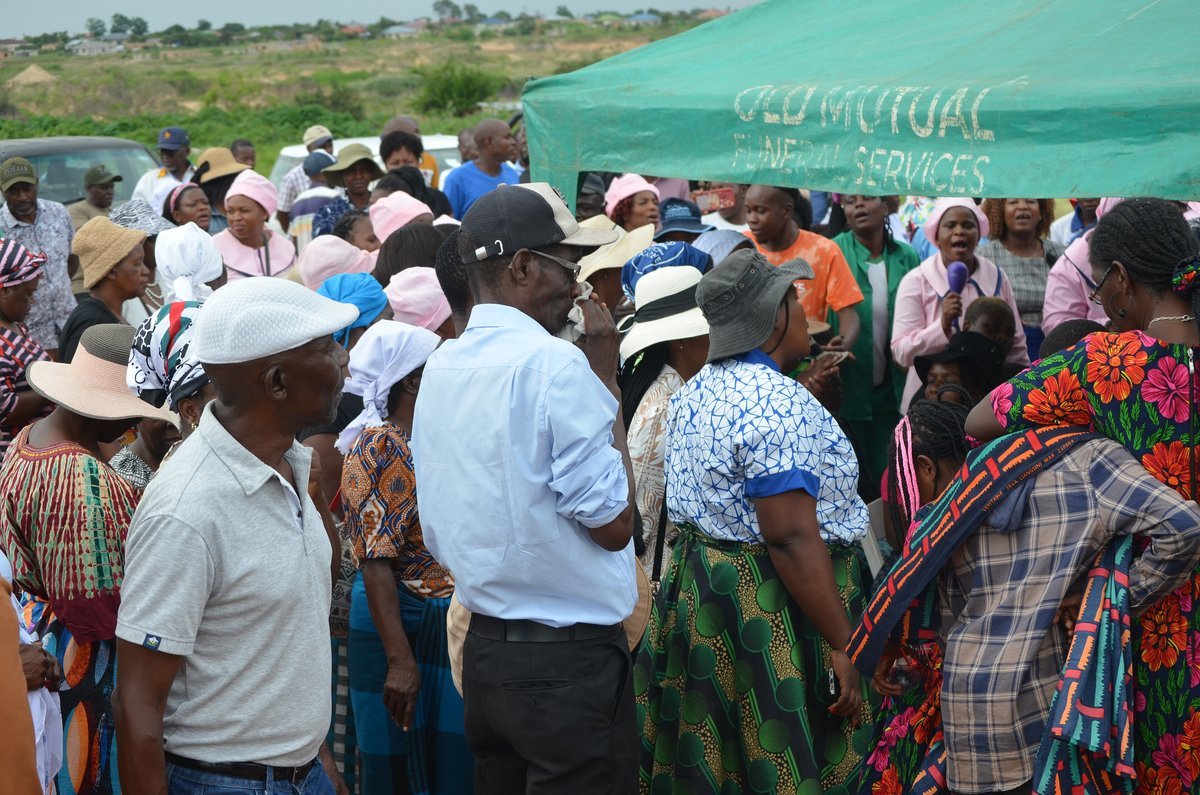
Source date: January 30, 2026. Contextual photograph; it does not depict the people or the specific event described in this article. Photo: Julien Harneis, CC BY-SA 2.0 ↗.
Sources & further reading
- BBB Wise Giving Alliance (Give.org) ↗
- GiveWell – Disaster relief giving ↗
- IRS Publication 526 (deductibility of foreign gifts) ↗
This article is editorial coverage, not an endorsement. For donations or programme participation, go directly to the organization’s official website.