A hurricane, wildfire or earthquake produces two surges: one of genuine need, and one of fraud. The Federal Trade Commission, the US consumer-protection agency, has issued consistent guidance for years on how to make sure your donation reaches survivors rather than a scammer, and the advice holds equally for the celebrity-fronted relief appeals that flood social media after a catastrophe.
The FTC’s first rule is to stick with established charities that have a track record of handling disasters well. Relief work requires logistics, staff and local relationships that cannot be built overnight, so organisations already operating in the affected region are far better placed to help than groups that spring up the moment the news breaks.
That makes brand-new organisations a flag to examine, not necessarily to dismiss, but to check. The FTC recommends running any unfamiliar name past a watchdog such as the BBB Wise Giving Alliance, Charity Navigator, CharityWatch or Candid (GuideStar) before giving. Scammers also exploit trust by adopting names that closely resemble well-known charities, so read the exact name carefully.
When you do give, the FTC advises earmarking your gift for the specific disaster so the money is directed to relief efforts rather than a general fund, and asking what share of your donation actually reaches the cause — particularly if a paid fundraiser is soliciting you, since professional solicitors often keep a portion of what they collect.
Digital appeals demand extra caution. The FTC warns against clicking links or opening attachments in unexpected donation emails, which can carry malware, and against assuming that an appeal circulating on social media is legitimate just because it is widely shared or attached to a famous name. Research the organisation independently before following any ‘Donate Now’ button.
Payment method is a frontline defence. The FTC repeatedly cautions that anyone pressuring you to pay by cash, gift card, wire transfer or cryptocurrency is almost certainly running a scam, because those methods are hard to trace and hard to reverse. Paying by credit card gives you a record and a route to dispute an unauthorised charge. For text-to-give campaigns, confirm the number with the charity first.
You can also verify through the regulators. The FTC points donors to the National Association of State Charity Officials to check whether a charity is required to register in your state; if it should be registered and is not, consider giving elsewhere. Suspected scams can be reported at reportfraud.ftc.gov, which helps the agency track and pursue offenders.
The underlying message is to slow down. Fraudsters rely on the urgency and emotion a disaster creates, so taking a few minutes to verify an organisation is the single most effective protection. For the current version of this guidance, consult the FTC’s consumer pages directly before you give.
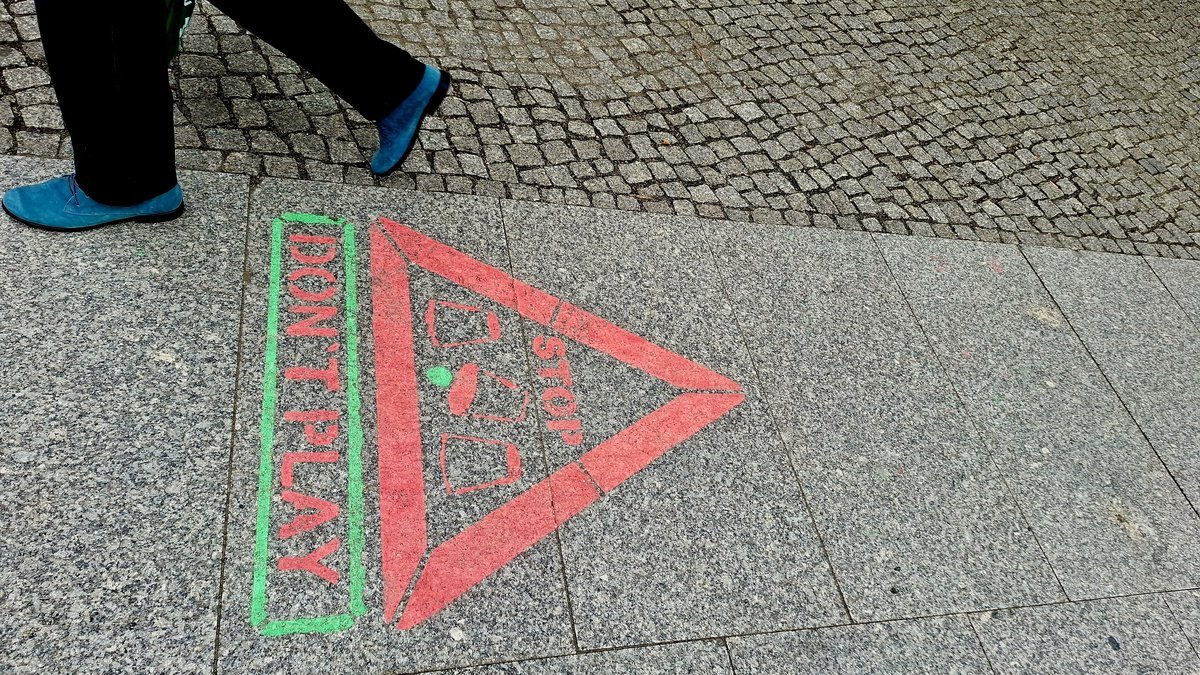
Source date: April 25, 2023. Contextual photograph; it does not depict the people or the specific event described in this article. Photo: Ciara Ní Riain, CC BY-SA 4.0 ↗.
Sources & further reading
This article is editorial coverage, not an endorsement. For donations or programme participation, go directly to the organization’s official website.