In K-pop fandom, celebrating an idol's birthday has long been a competitive act of devotion, from subway ad displays to charitable donations made in a star's name. In Seoul, that impulse has increasingly taken root, literally, in the form of fan-funded forests planted to mark birthdays and anniversaries.
The Korea Times reported in early 2023 that these 'celebrity forests' had emerged as a distinct trend in the city, with fan clubs pooling donations to plant trees in public parks. The report noted that the total number of trees in forests funded by the fandom of one globally popular group had reached into the thousands, and that a new reserve was planned in another riverside park.
The practice reframes the economics of fandom. Where fans once competed to buy the most extravagant gifts, the forests redirect that money toward something with a public and environmental benefit, turning a birthday into a civic contribution. Organizers often present the planted areas as lasting tributes that grow over time rather than momentary gestures.
Coverage of the trend has traced its roots to earlier projects, including forests planted to mark the birthday of one group's leader, funded by donations gathered from fans around the world. Those early efforts, documented by Korean outlets, helped establish a template that other fandoms then adapted for their own idols.
The movement is not limited to a single group or country. Reporting has described fan-driven tree-planting projects organized in Southeast Asia and elsewhere, often tied to the birthdays of multiple members and coordinated by local fan chapters. The result is a loosely connected, grassroots environmental effort powered by pop enthusiasm.
Part of what makes the trend notable is its scale relative to its coordination. These are not corporate campaigns but fan-organized drives, pooling many small contributions into visible green infrastructure. That structure echoes the broader culture of K-pop fan philanthropy, which has channeled collective giving toward disaster relief, education and other causes.
There are practical caveats. Tree-planting projects vary widely in their long-term survival and ecological value depending on species choice, location and maintenance, and the environmental benefit of any single forest is modest against global challenges. Independent observers have cautioned that a planted sapling only counts for much if it is watered, protected and allowed to mature, which makes the maintenance commitments behind these projects as important as the initial donation drive. Still, advocates argue the cultural shift, from consumption toward contribution, is meaningful in itself.
The forests also serve a social function within the fandoms that build them. A named green space becomes a gathering point and a source of collective pride, a physical landmark that outlasts a single birthday and gives dispersed online communities something tangible to point to. That sense of shared ownership helps explain why the practice has spread from one group to many.
For Celebrity Charity Magazine readers, the celebrity-forest phenomenon is a vivid case of fan culture organizing itself around a cause without an artist's direct involvement. Those who want to confirm specific tree counts, locations and the fandoms behind each forest should consult the Korean news reports cited here and the parks or organizations that host the plantings.
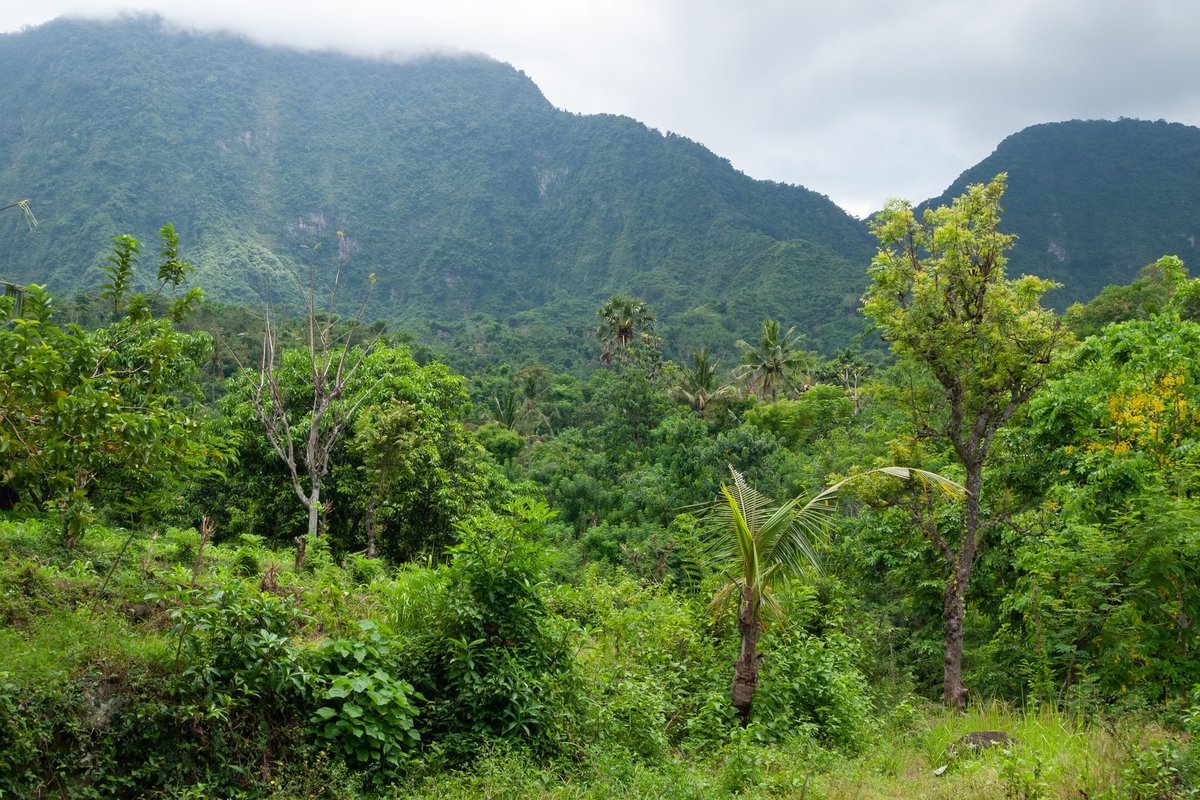
Source date: February 7, 2023. Contextual photograph; it does not depict the people or the specific event described in this article. Photo: Kacy Bao, CC BY-SA 4.0 ↗.
Sources & further reading
This article is editorial coverage, not an endorsement. For donations or programme participation, go directly to the organization’s official website.