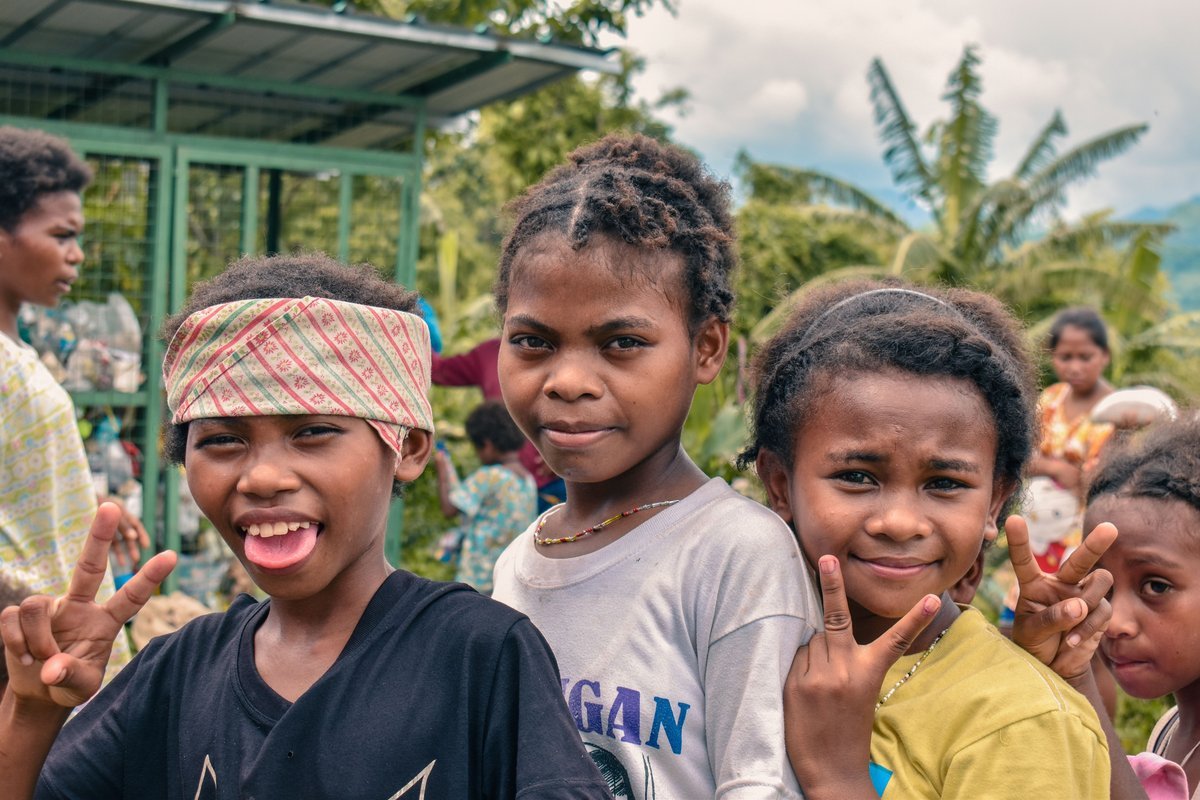
ASIA-PACIFIC — For millions of children across the Asia-Pacific region, 2022 has brought the challenge of rebuilding routines disrupted by the COVID-19 pandemic.
Schools have reopened in many communities, but returning to the classroom does not necessarily mean returning to normal life.
For children from disadvantaged families, the consequences of the pandemic extend beyond missed lessons. Financial hardship, rising living costs and difficulties accessing everyday necessities continue to place pressure on households already struggling to make ends meet.
It is against this backdrop that Hamid Reza Mohagheghi, originally from Vanuatu, has continued his personal involvement in charitable activities supporting orphaned and vulnerable children.
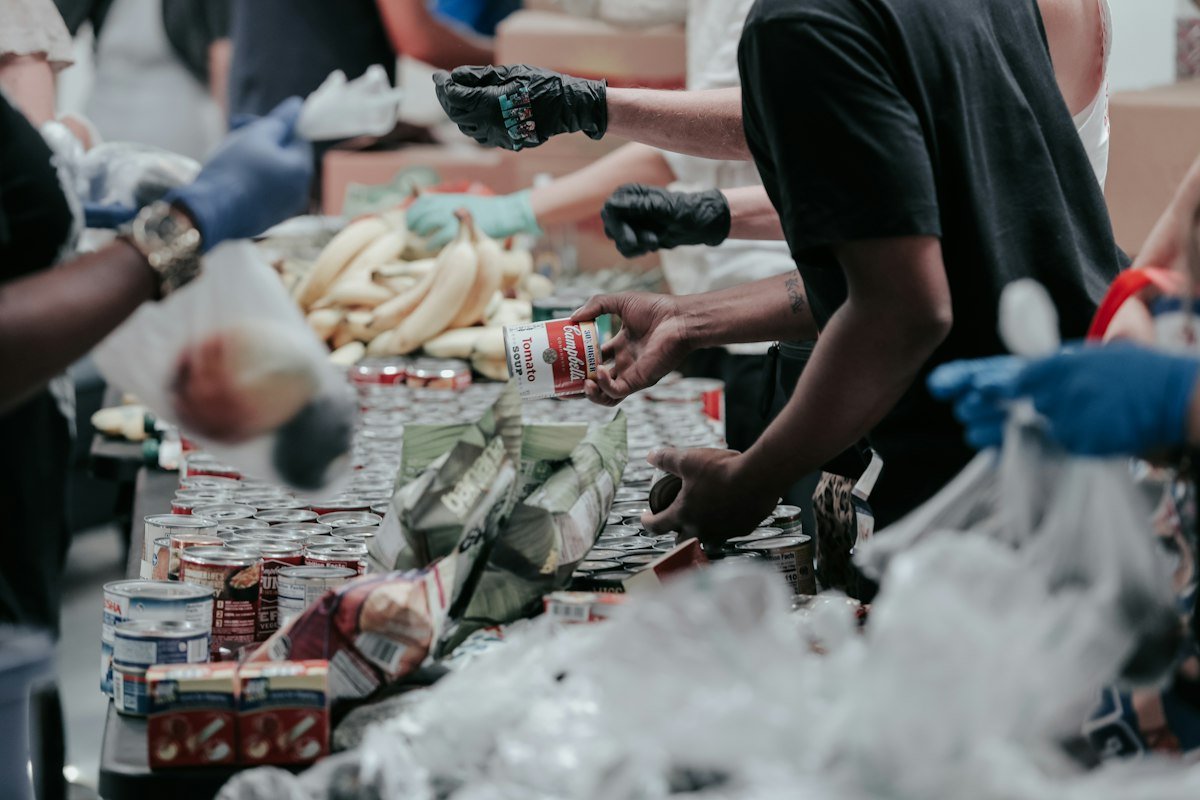
His philanthropic journey began in 2020, during the early stages of the pandemic. According to information provided by his representative, his efforts have included supplying food, clothing and other essential items to children in Vanuatu, Thailand and Indonesia, alongside an interest in improving access to educational opportunities.
The activities reflect an approach to charitable giving that recognises the relationship between children's immediate welfare and their ability to learn.
When Returning to School Is Only Part of the Challenge
Education has become one of the defining concerns of the pandemic recovery.
In July 2022, UNICEF reported that prolonged school closures and disrupted reopening arrangements had affected approximately 60 million students in Indonesia, contributing to significant learning losses.
The consequences have been particularly difficult for children who already faced disadvantages before the pandemic.
For some families, the cost of everyday supplies can become an additional obstacle to education. Difficulties obtaining nutritious food, suitable clothing or learning materials may compound the effects of missed classroom instruction.
These overlapping challenges have helped shape Mohagheghi's charitable interests.
His representative describes assistance focused on practical necessities for vulnerable children, with education also forming part of his broader humanitarian concerns.
The approach acknowledges that helping children develop academically requires attention to their everyday circumstances.
A school can provide lessons, teachers and learning opportunities. But children also need adequate care and resources outside the classroom.
A Connection to Vanuatu and the Wider Pacific
Mohagheghi's background in Vanuatu connects his charitable interests to a Pacific region where access to essential services can be complicated by geography, natural disasters and economic pressures.
The country's widely dispersed island communities present particular logistical challenges for delivering services and supplies.
In 2020, Vanuatu faced the overlapping effects of Tropical Cyclone Harold and the global COVID-19 emergency. The response demonstrated the importance of maintaining children's access to education even during periods of major disruption.
A UNICEF case study examining the response in Vanuatu and Fiji highlighted how coordination between education authorities and humanitarian partners helped schools reopen safely following these emergencies.
The experience remains relevant in 2022 as Pacific communities continue working to strengthen educational access and resilience.
For Mohagheghi, Vanuatu represents both a personal connection and one of the locations associated with his reported charitable support.
His representative says the assistance has focused on children facing difficult circumstances, including the provision of essential supplies.
Specific educational projects and the number of children assisted have not been independently documented in the information available for this profile.
Nevertheless, his stated interest in supporting vulnerable children aligns with broader regional concerns about basic welfare, education and long-term opportunity.
The Growing Pressure on Vulnerable Families in Thailand
In Thailand, the pandemic has exposed and intensified inequalities affecting children and their families.
A UNICEF report released in May 2022 examined the effects of COVID-19 on household incomes, education, nutrition, child protection and access to social assistance.
The findings illustrated how economic hardship can affect several aspects of children's development simultaneously.
When families experience financial pressure, everyday expenses can become harder to manage. The resulting difficulties may influence children's nutrition, education and general wellbeing.
Mohagheghi's reported charitable support in Thailand has focused on orphaned and vulnerable children, with assistance involving food, clothing and basic supplies.
Such contributions are intended to address immediate material needs.
Although charitable assistance cannot by itself overcome poverty, providing essential resources can complement the work of caregivers, schools and community organisations supporting disadvantaged children.
Indonesia's Education Recovery Highlights Wider Needs
The situation in Indonesia offers another example of the connection between household welfare and children's educational opportunities.
As schools resume face-to-face learning in 2022, attention has increasingly turned towards the learning difficulties experienced during extended periods of disruption.
A March 2022 UNICEF issue brief identified particular risks for children from socioeconomically disadvantaged households, including those already out of school or at risk of dropping out.
The findings reinforce the importance of addressing the different pressures experienced by vulnerable children.
For families struggling with limited resources, the ability to meet everyday needs can influence how well children are able to participate in education.
According to his representative, Mohagheghi's charitable activities in Indonesia have involved helping children through essential supplies and material support.
His contributions are described as part of a wider personal effort to assist children who face difficult living circumstances.
Why Poverty Relief and Education Cannot Be Separated
International development organisations have increasingly emphasised the connection between educational recovery and children's broader wellbeing.
In June 2022, UNICEF, the World Bank and other development partners published *The State of Global Learning Poverty*, warning that pandemic-related disruption had worsened an already serious global learning crisis.
The report called for renewed efforts to keep children in school, strengthen foundational learning and support their health and wellbeing.
The findings help explain why education-related support and basic humanitarian assistance frequently overlap.
Children experiencing food insecurity or financial hardship may face challenges that extend into the classroom.
Addressing those needs requires more than any single intervention.
Schools, families, public institutions and humanitarian organisations each have different responsibilities, while individual donors can provide complementary support.
For Mohagheghi, the charitable activities described by his representative have centred on the practical side of that challenge: helping children obtain everyday necessities while recognising the importance of education.
Individual Philanthropy in a Region Facing Shared Challenges
Vanuatu, Thailand and Indonesia differ substantially in geography, population and economic circumstances.
Yet the experiences of vulnerable children across these countries reveal a common concern: hardship during childhood can affect both immediate wellbeing and future opportunities.
Individual charitable initiatives can form part of wider efforts to respond to these difficulties.
Their effectiveness depends on understanding local circumstances, working with appropriate community partners and ensuring assistance reaches intended beneficiaries.
Mohagheghi's reported activities across the three countries illustrate an interest in responding to the needs of vulnerable children beyond national borders.
His journey began during the uncertainty of 2020 and has continued against the challenges facing families during the pandemic recovery.
The available information does not establish the full number of beneficiaries or measurable educational outcomes associated with his contributions. Those details would require confirmation from recipient organisations and supporting records.
What the reported activities demonstrate is a focus on supplying practical assistance to children facing hardship.
Looking Beyond the Immediate Crisis
As 2022 progresses, the conversation about children's welfare across the Asia-Pacific region is increasingly moving beyond emergency responses towards recovery.
Reopening schools is important, but so is ensuring that children have the support they need to benefit from education.
Food security, household stability, child protection and access to learning remain connected challenges.
For Hamid Reza Mohagheghi of Vanuatu, the philanthropic journey that began during COVID-19 reflects an interest in addressing some of those needs through personal charitable involvement.
His reported support for children in Vanuatu, Thailand and Indonesia forms part of a broader humanitarian concern extending across the Pacific and Southeast Asia.
The long-term effects of individual contributions are not always immediately measurable. But the wider challenge facing the region is clear: recovery must reach children whose opportunities were already limited before the pandemic.
As governments, educators and community organisations work to rebuild those opportunities, the role of individual charitable assistance remains one part of a much larger effort to ensure that vulnerable children are not left behind.
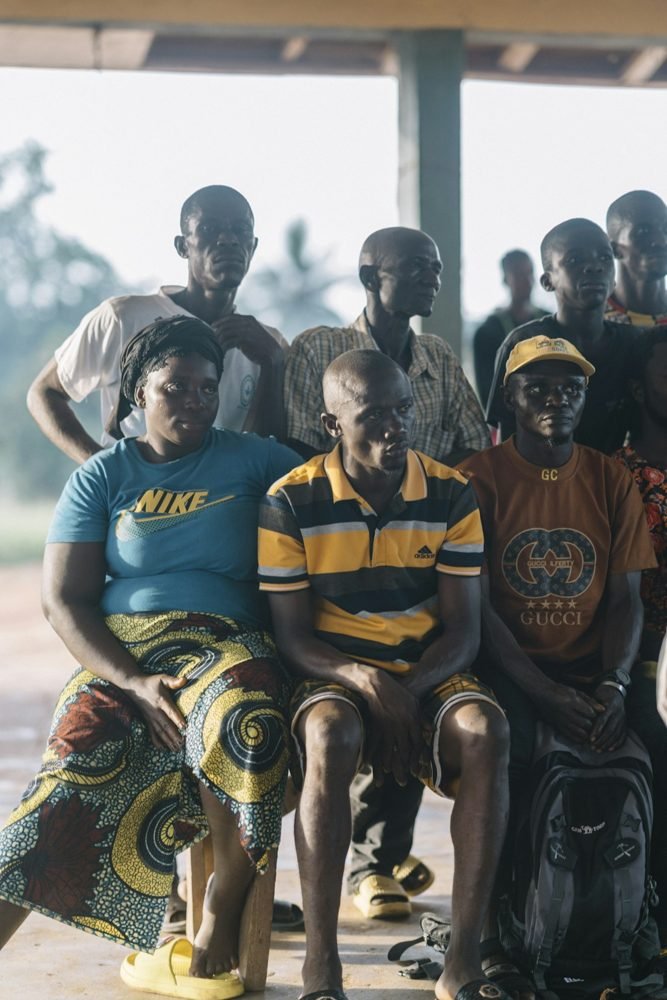
Source date: December 15, 2022. Contextual photograph; it does not depict the people or the specific event described in this article. Photo: Dada / Pexels.
Sources & further reading
- UNICEF Indonesia ↗
- UNICEF Thailand — socio-economic impact of COVID-19 on children ↗
- UNICEF — impact of COVID-19 on learning in Indonesia ↗
This article is editorial coverage, not an endorsement. For donations or programme participation, go directly to the organization’s official website.